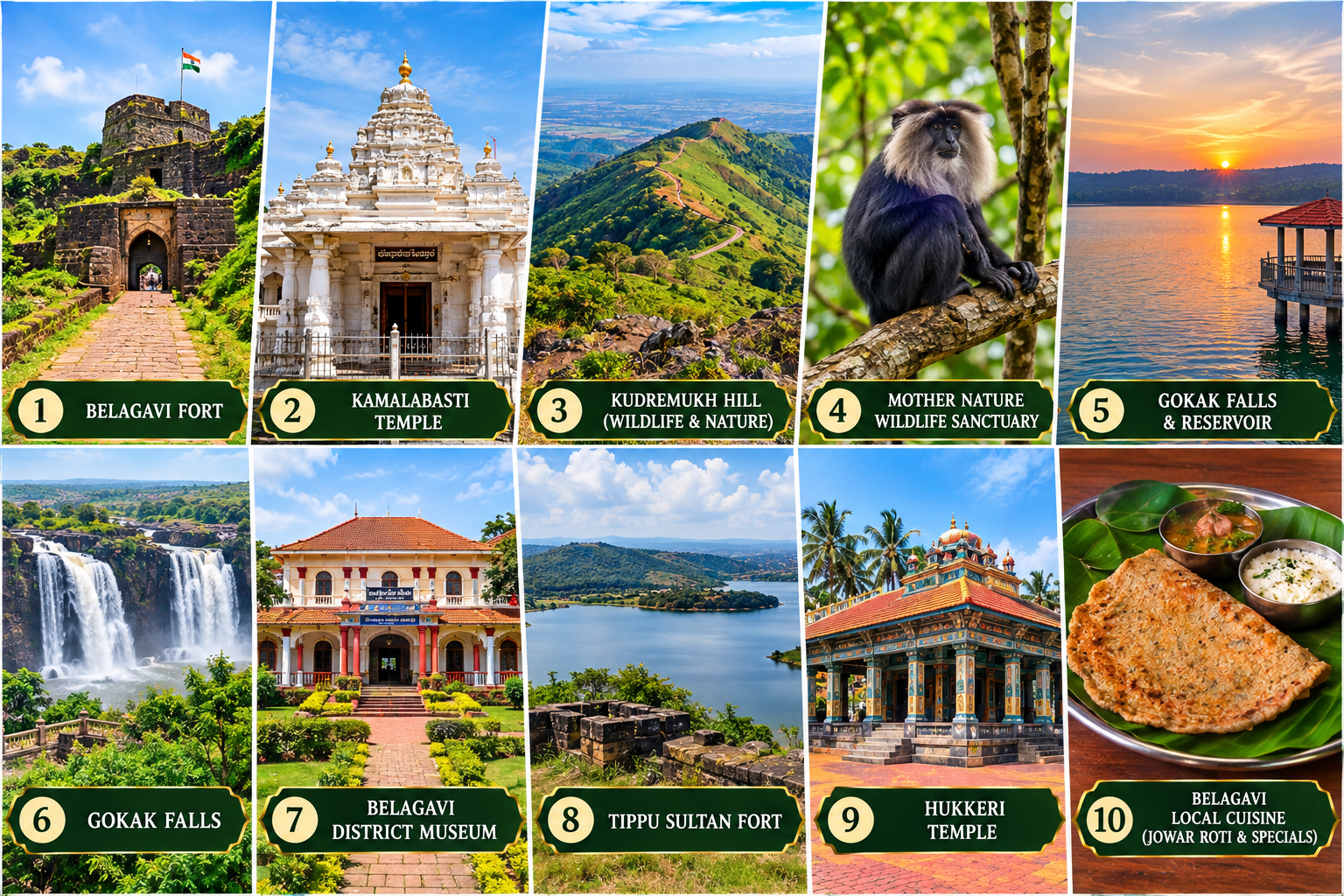
Tourist Places
Belagavi Fort
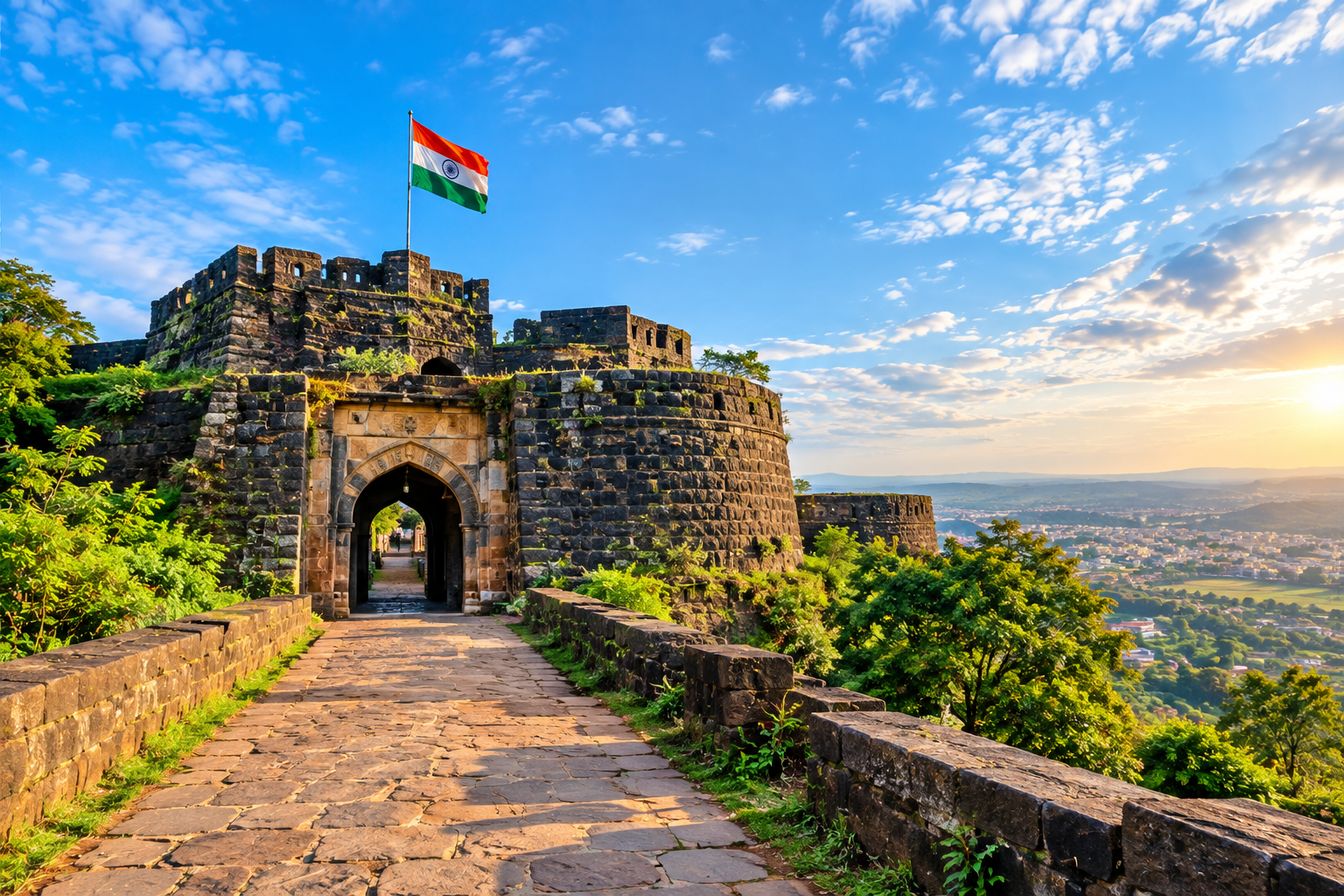
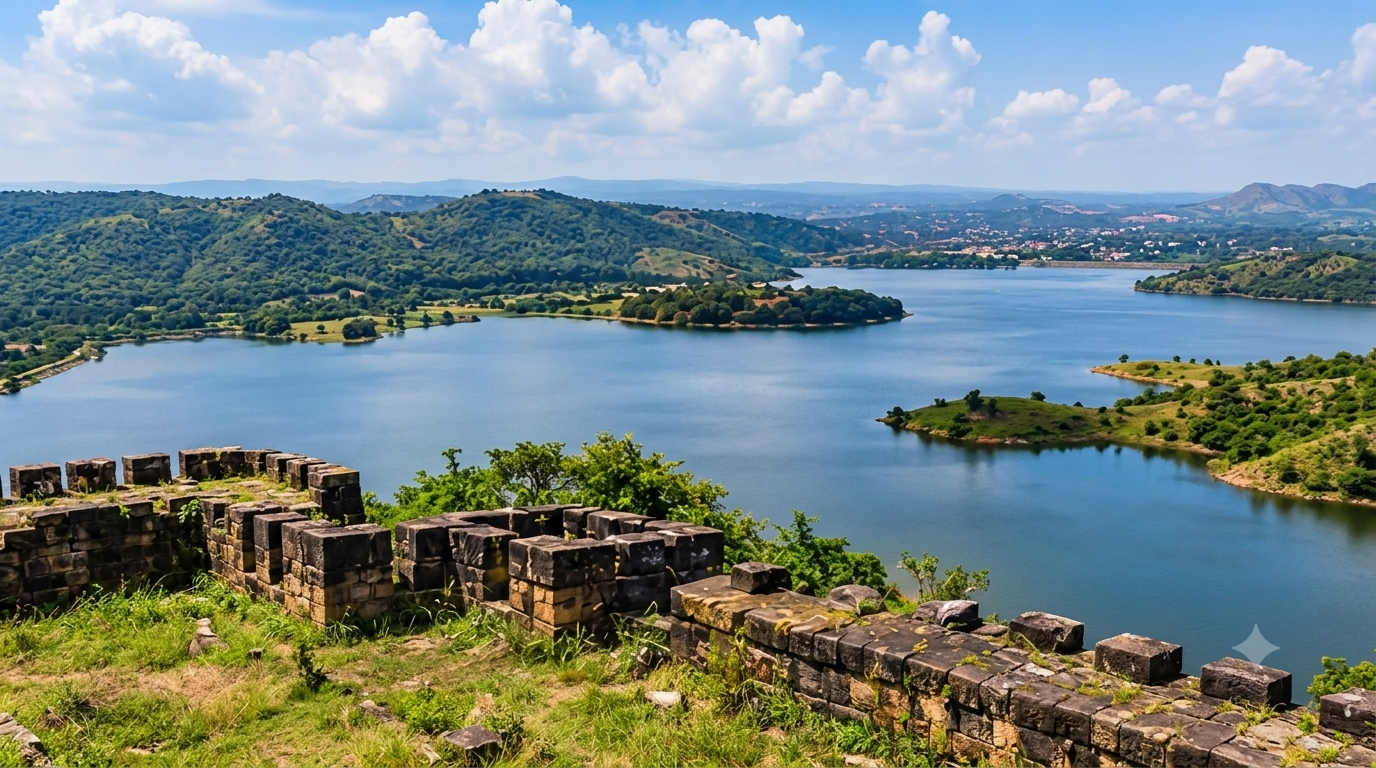
Belagavi Fort, located in the heart of Belagavi city in Karnataka, is one of the state’s oldest and most historically significant military strongholds. Originally constructed in 1204 CE by Jaya Raya (also known as Bichi Raja), an ally of the Ratta dynasty, the fort has seen major structural modifications over centuries under the rules of the Bahmani Sultanate, Vijayanagara Empire, Adil Shahis, Marathas, and the British. Surrounded by a wide defensive moat, the oval-shaped complex is celebrated for its blend of Hindu, Jain, and Islamic architectural styles. Within its massive stone ramparts stand historic shrines such as the 13th-century Kamala Basti (a fine example of Chalukyan Jain architecture) and ancient mosques like the Safa Masjid. Notably, during India’s freedom struggle, Mahatma Gandhi was briefly imprisoned inside the fort complex by the British in 1924, making it a prominent cultural and national heritage monument today.
Kamalabasti Temple
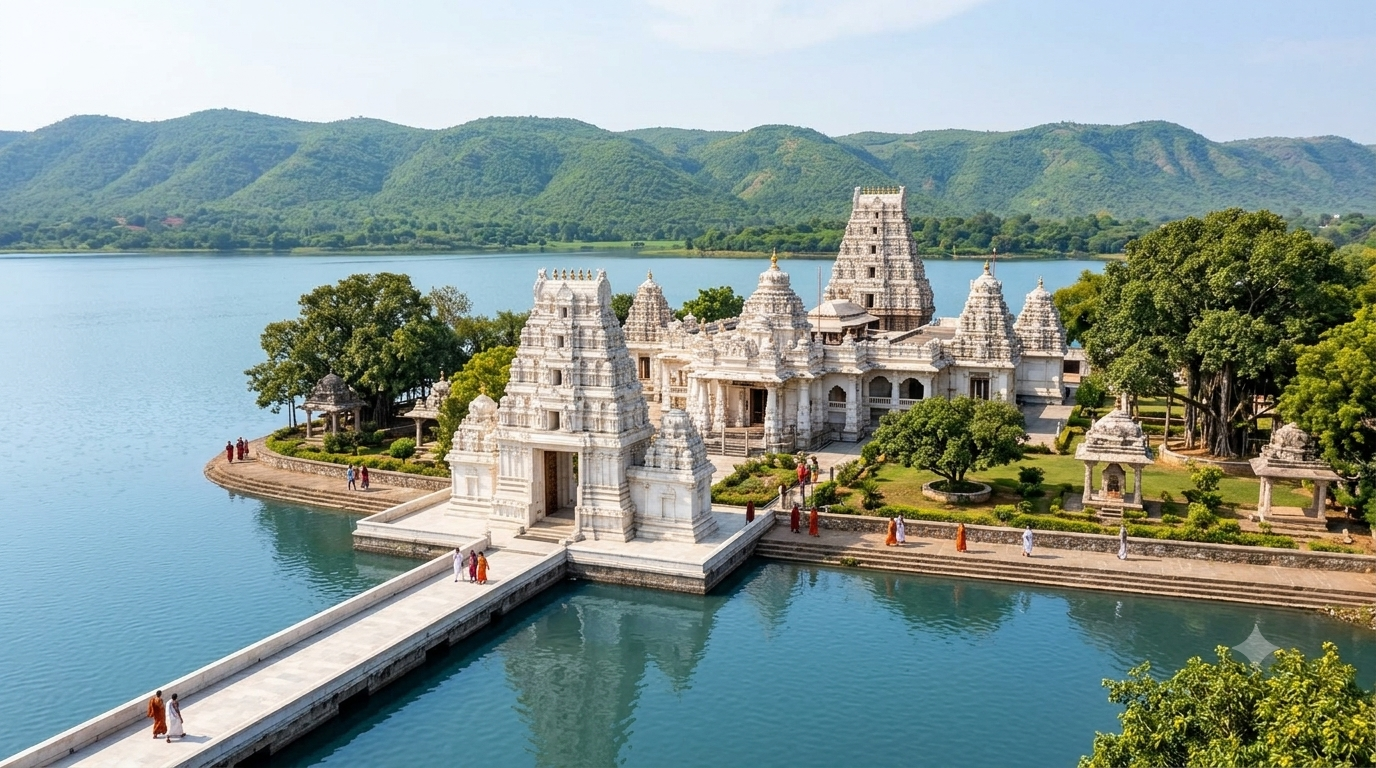
Kamala Basti (also known as Kamal Basadi), located inside the historic Belagavi Fort in Karnataka, is an exquisite 13th-century Jain temple renowned for its Later Chalukyan and Kadamba-Nagara architectural styles. Constructed in 1204 CE by Bichana (or Bichiraja), a minister under King Kartavirya IV of the Ratta dynasty, the temple gets its name from its crowning feature—a magnificent dome ceiling inside the mukhamandapa carved in the shape of an inverted 72-petaled lotus (kamal). Supported by highly polished, lathe-turned stone pillars, these lotus petals intricately depict figures of the Jain Tirthankaras across past, present, and future eras. The sanctum sanctorum houses a polished black stone idol of Lord Neminatha, the 22nd Tirthankara, seated in a meditative posture on a finely detailed throne. Preserved as a protected monument under the Archaeological Survey of India (ASI), Kamala Basti stands as a serene, beautifully crafted testament to ancient medieval artisan mastery and spiritual heritage.
Kudremukh Hill
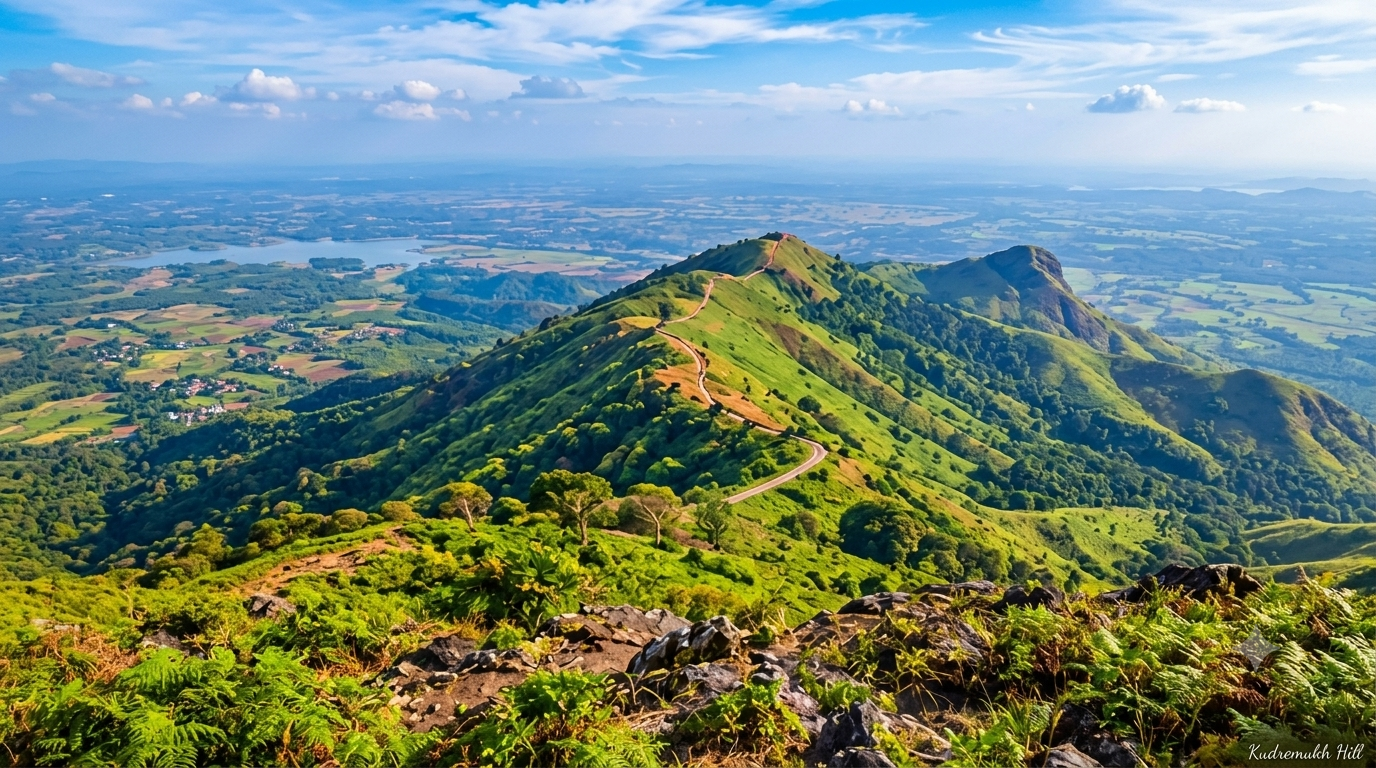
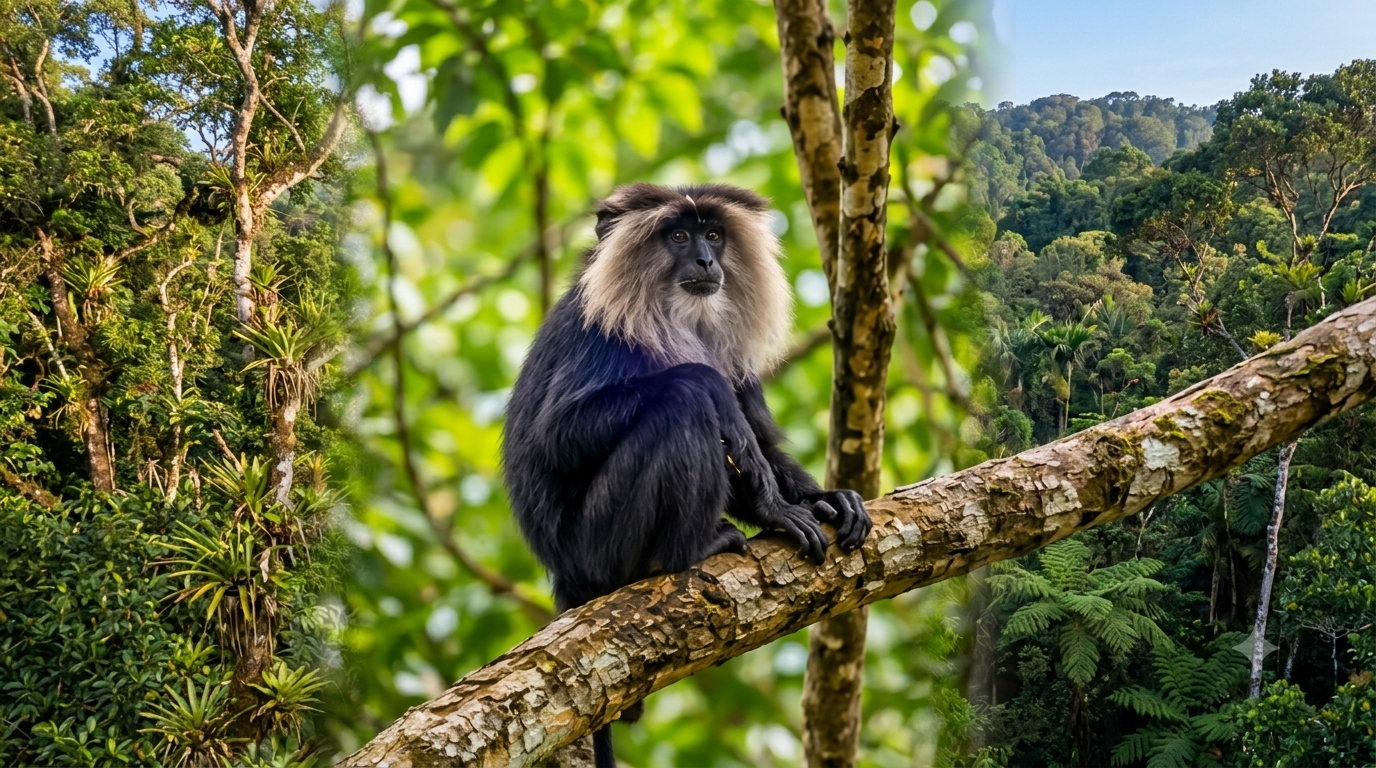
Kudremukh (also spelled Kudremukha), standing at an elevation of 1,894 meters (6,214 feet) in the Chikkamagaluru district of Karnataka, is the third-highest peak in the state and a major highlight of the Western Ghats biodiversity hotspot. The name Kudremukh literally translates to “horse-face” in Kannada, reflecting the unique side profile of the mountain peak that resembles the head of a horse. Nestled within the protected boundary of the Kudremukh National Park, the landscape is famous for its vast, rolling tropical Shola grasslands interspersed with dense evergreen rainforests, winding streams, and cascading waterfalls like Hanuman Gundi. Recognized as a UNESCO World Heritage Site, the surrounding region acts as a vital wildlife corridor for endangered species—including the lion-tailed macaque, Bengal tiger, leopard, and Indian bison (gaur)—while serving as the origin point for three important rivers: the Tunga, Bhadra, and Nethravathi. Today, it is one of South India’s premier trekking destinations, drawing outdoor enthusiasts who navigate its misty trails and eco-regulated paths under the strict conservation guidelines of the Karnataka Forest Department.
Mother Nature Wildlife Sanctuary
While there is no officially designated protected area specifically named the “Mother Nature Wildlife Sanctuary,” the term is commonly used as a poetic moniker for Dandeli Wildlife Sanctuary (or the broader Kali Tiger Reserve) in the Uttara Kannada district of Karnataka. Spanning over 800 square kilometers, this sanctuary represents one of South India’s most pristine riverine and moist deciduous forest ecosystems, fed by the Kali, Kaneri, and Nagjhari rivers. Nestled within the Western Ghats, it serves as a biodiversity hotspot for rare and endangered fauna, including the elusive black panther, Bengal tiger, Indian elephant, leopard, and the Malabar giant squirrel. The dense canopy and steep river valleys also make it an exceptional haven for over 200 bird species, most notably four species of hornbills. Beyond its critical role in wildlife conservation, the region is a major hub for eco-tourism and outdoor adventure, drawing visitors for whitewater rafting along the Kali River, jungle safaris, and nature treks through the Sahyadri hill ranges.
Gokak Falls & Reservoir
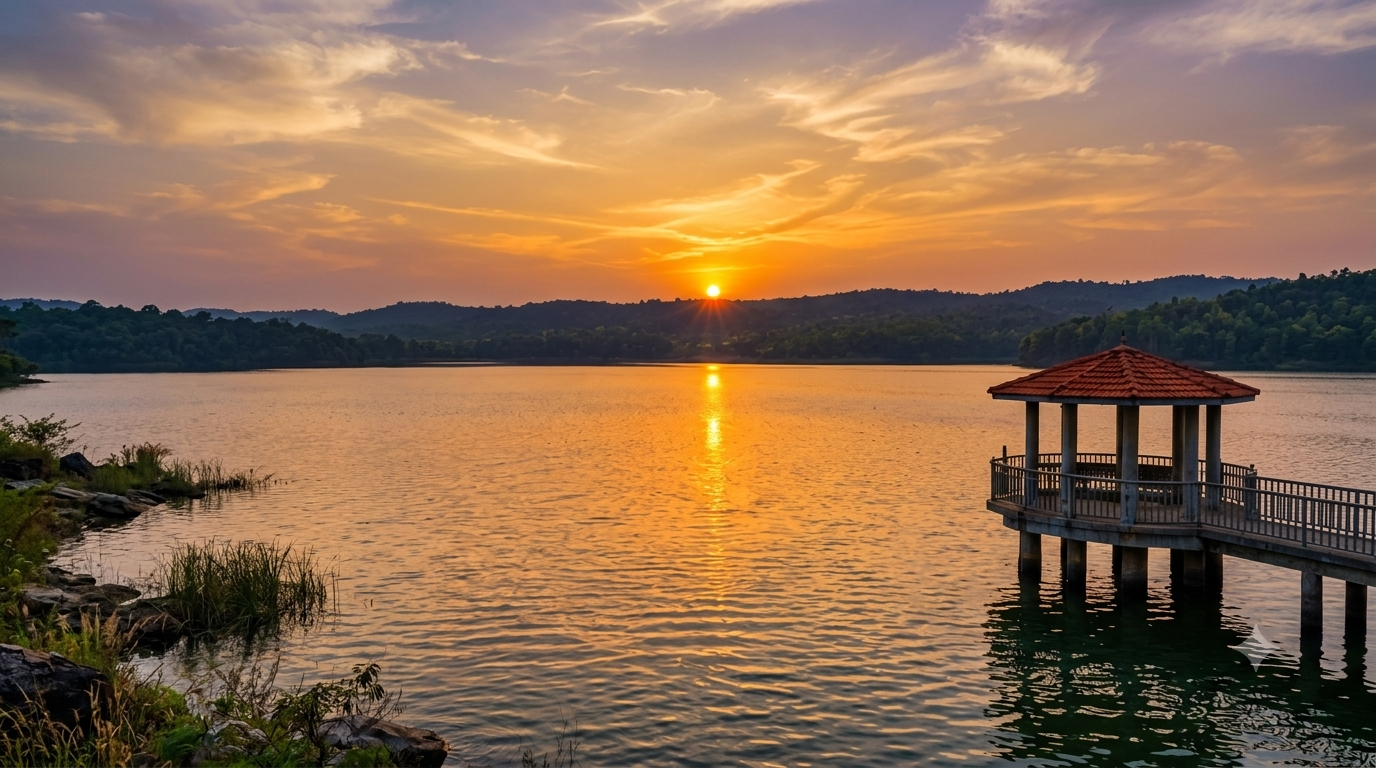
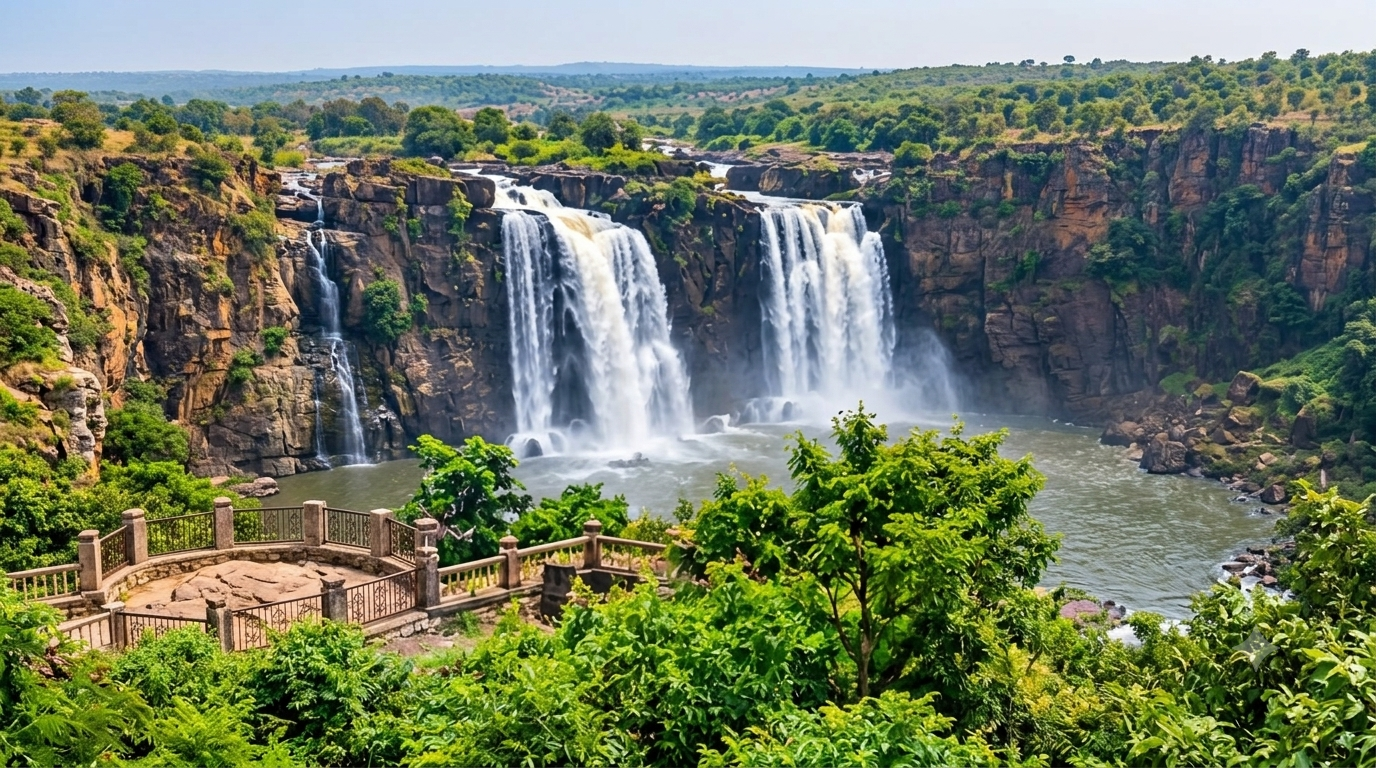
Gokak Falls, often dubbed the “Niagara of Karnataka,” is a dramatic waterfall formed on the Ghataprabha River in the Belagavi district. Cascading over a horse-shoe-shaped sandstone cliff from a height of approximately 52 meters (170 feet) into a rugged, picturesque gorge, the falls present a thunderous display of nature’s power, particularly during the monsoon season. A key historical highlight spanning the gorge is the famous 201-meter-long suspended cable bridge built in 1907 during the British colonial era, providing thrilling views of the roaring waters below. Just upstream lies the Dhupdal Reservoir (Gokak Reservoir and Barrage), constructed in 1883 across the Ghataprabha to supply irrigation to the region and feed South Asia’s first hydroelectric power generating plant built at the site in 1887. Surrounded by ancient Chalukyan-era monuments, including the Mahalingeshwara Temple, the Gokak Falls and Reservoir complex blends rich industrial history with natural beauty.
Gokak Falls
Gokak Falls is a breathtaking waterfall formed by the Ghataprabha River in the Belagavi district of Karnataka, India. Plunging 52 meters (171 feet) over a horseshoe-shaped sandstone cliff into a rugged gorge, its structure and roaring, muddy-brown torrent during the monsoon season frequently earn it comparisons to a smaller-scale Niagara Falls. A key feature of the site is a historic 201-meter-long hanging suspension bridge built directly across the gorge, offering visitors panoramic views of the cascading water and the surrounding rocky landscape. Beyond its natural beauty, the area holds historical significance; it houses ancient Chalukya-era monuments, including the 11th-century Mahalingeshwara Temple, and is home to one of India’s earliest hydroelectric power plants, commissioned in 1887.
Belagavi District Museum
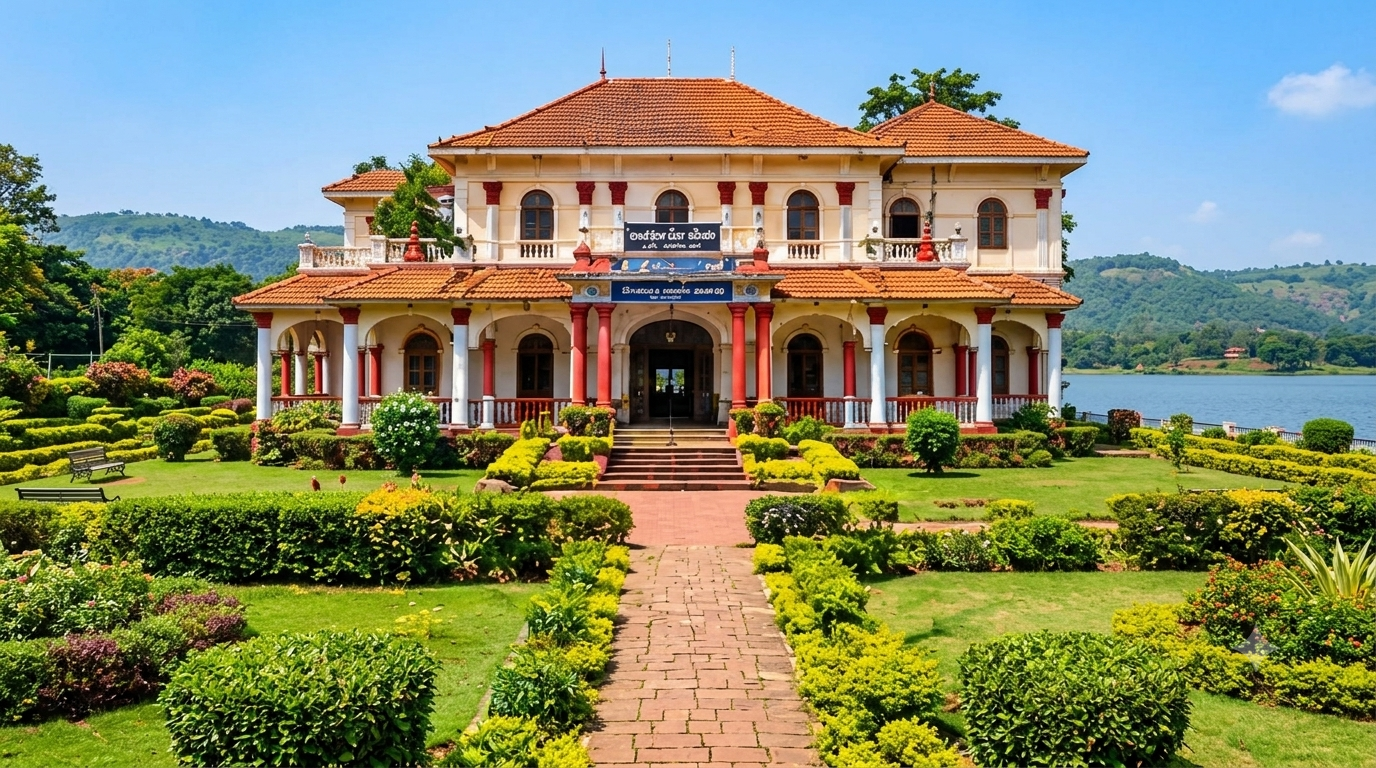
The Kittur Rani Chennamma Memorial Government Museum, located within the historic Kittur Fort complex in the Belagavi district, is the premier government museum dedicated to preserving the regional heritage of Belagavi. Inaugurated on January 10, 1967, by former Prime Minister Indira Gandhi, the museum is managed by the Department of Archaeology, Museums & Heritage, Government of Karnataka. It honors the legacy of Rani Chennamma, the valiant queen who led an early armed resistance against British rule in 1824. The museum showcases a rich collection of 18th-century arms and armor—including swords, shields, chainmail, cannons, and cannonballs—alongside engraved wooden artifacts, intricate pottery, ancient coins, and rare stone sculptures dating back to the Kadamba and Chalukya eras. Serving as a key cultural repository, it offers visitors an insightful glimpse into the royal history, craftsmanship, and freedom struggle of the Belagavi region.
Tippu Sultan Fort
Tipu Sultan’s Fort, located in Bengaluru, Karnataka, is an impressive historical landmark originally built as a mud structure by Kempe Gowda I in 1537 and later fortified with granite by Hyder Ali and completed by Tipu Sultan in 1791. Constructed in the Indo-Islamic architectural style, the complex served as the summer residence of the Mysore ruler and is renowned for its two-story wooden palace, which features intricately carved teakwood pillars, grand arches, and painted balconies. Within the fort premises, visitors can explore a museum curated by the Archaeological Survey of India displaying historical artifacts, weapons, crown replicas, and contemporary paintings depicting Tipu Sultan’s reign and military campaigns against the British East India Company.
Hukkeri Temple
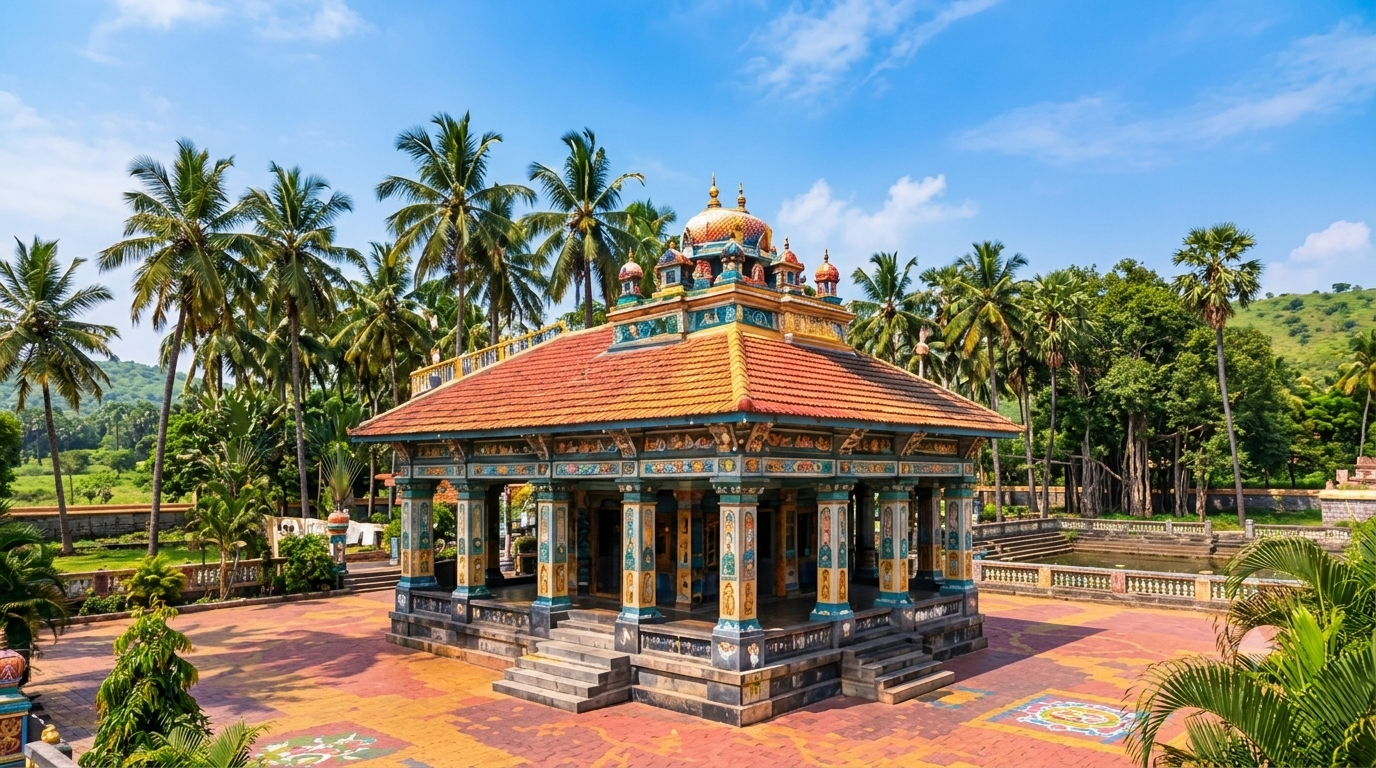
Hukkeri Hiremath, widely known as the Hukkeri Temple, is a revered spiritual institution and monastic complex located in Hukkeri town within the Belagavi district of Karnataka. Steeped in Veerashaiva-Lingayat tradition, the matha traces its origins back several centuries and serves as a major center for religious worship, social service, and cultural preservation in northern Karnataka. The temple complex houses sacred shrines dedicated to Lord Shiva and venerated Lingayat saints, featuring traditional South Indian stone architecture with ornate pillars and serene prayer halls. Beyond its spiritual functions, the institution is celebrated for its community initiatives, including running educational trusts, hosting annual religious discourses, and organizing grand jathras (festivals) that attract thousands of devotees from Karnataka and neighboring Maharashtra.